SEO – Your Reputation Under Review!

[ad_1]

Probably you already browsed the net to gather useful tips for proper Search Engine Optimization (SEO). Like any other articles, this one will enlighten you with few good tips to implement a proper optimization.

Before going ahead, I do recommend carrying a ‘web content optimization’ which is preliminary since the way the website is presented to the public plays a significant role.

With the launch of Google Panda (2011) and the latter Penguin (2012), it is evidentially crucial to implement SEO strategies. From a holistic perspective, the aim is to penalize over-optimized websites (i.e. using black-hat tricks, keyword stuffing, content duplication, and cloaking) and to lower the ranks of websites with poor user experience.

Poor user experience is a broad terminology. There are two things you need to consider. Firstly is to have a decent web hosting service provider with a 99% up running time. If your site tends to go offline quite often as a result of server issues (which is not your fault) then expect to lose ranking and search engine positioning. Secondly is to ensure that you implement a proper web optimization.

Moreover, something I want to emphasize is that when we mention the word ‘SEO’, people instantly think of Google. That is wrong! My rule is – do not optimize your site solely for Google. There are other search engines on demand such as Bing, Ask, and Yahoo!

Furthermore mobile-optimized / supported websites are increasing in their demand. It is recommended to have your site compatible with any mobile device. If you can’t afford an iPhone, HTC or a Blackberry, no need to worry. Use the freeware called Mobilizer (note that Adobe Air is required), and you will be able to preview your sites on a mobile display straight from your desktop.

Surely you already have encountered with various SEO tips and yes, they are all good but by time they tend to become obsolete. Chances are that by time also part of my tips will face the same dilemma so like you I have to keep myself updated.

On-Page Optimization (Related on the elements within the web page)

Images

1) Image File Name Always provide meaningful titles to your image files. If your image portrays an ‘Ibanez Guitar’, label it as ‘ibanez-guitar.jpg’ instead of having something like ‘DSC29870.jpg’. Like this you have a ‘keyword-rich’ friendly title besides a meaning to your image file.

2) Use the ‘alt’ tag The alt=” “ tag should never be left blank. Provide an image with a title because search engine spiders cannot decipher the image content but they will decipher the title you defined in the alt tag.

3) Use the ‘title’ tag Using the title tag provides a better user experience since the titles shows up as a tool tip when the user moves the mouse over the image.

4) Image Linking This may be not convenient but if you can just go for it. Whenever you link an image, try using the image keywords in your link text. Suggestion: use ‘View the Ibanez Guitar’ instead of ‘Click here to view’ as the anchor text.

5) Navigation Menus If the menu is based entirely on hyperlinked images with your favorite font, you have to label them such as ‘Home, Services, Contact, Links, etc.’ Use the ‘alt’ and optionally the ‘title’ tags.

Example: <a href=http:// www. mysite.com/contact/ title=”Contact” /><img src=”/images/contact.gif” alt=”Contact” title=”Contact” /></a>

Internal Links

1) Broken (internal) links If you have a hierarchy of 5 sub-pages within your website, ensure that everything is linked. Having ‘broken’ links will disrupt the spider of the certain search engine from crawling, indexing and following the website from the initial page to its hierarchy of pages.

2) SEO Friendly links It is ideal to have keyword-rich SEO friendly links which can be easily understood by both search engines as well as viewers. For example better to have such a link like:

mysite.com/ibanez-guitars-discount

instead of:

mysite.com/?1odnaeo3xcgoe-139

3) Anchor Text This part had been explained in the previous tips. Suggestion: use ‘View the Ibanez Guitar’ instead of ‘Click here to view’ as the anchor text.

Title(s) Optimization

1) Main Page Having a stunning title for your home page is important since it holistically reflects your website. Moreover the title will display in the search engine results page (SERP) and that should create first impact on the viewer.

2) Sub Pages Obviously they do appear in search results, and if you have a product to promote, mind as well to include say the product name as the title followed by your business name. These titles also act as keywords which help in pushing your site in the search engine results page (SERP). It is important to think marketwise.

MetaTags Optimization

1) Description The Meta Description allows you to insert 140 characters worth of your page content. You can copy an excerpt from your page content yet my suggestion is to place the content best fitting with the information available within the page as it plays a significant role in the search results depending on the queries people type.

2) Keywords Choose keywords related with your web content. People tend to abuse with this method (i.e. keyword stuffing) and search engines like Google are penalizing such sites. Moreover avoid repeating keywords since it is not feasible at all! Below are few factors you need to consider:

a) Research Carry out a proper research before choosing your keywords. You can use free tools like Google AdWords Keyword Tool, Wordtracker, and others to help you get the job done.

b) Keyword Density – Do not abuse with keywords, else you can get easily penalized by Google. Use relevant keywords, be moderate and don’t overdo it. Also consider the fact that your web content (incl. the Meta Description) is a keyword carrier in itself; and search engines tend to provide results basing on the page content.

c) Long Tail Keywords – It is good to include lengthy keywords as they tend to be less typical given their diversity from any other competitor’s keywords. For example if you are selling Ibanez guitars, basic keywords would be: ‘ibanez’, ‘guitars’, and‘ibanez guitars’. Such keywords are not outstanding, but if to utilize additional keywords for instance: ‘best ibanez guitars’, ‘ibanez guitars discount’, ‘special offers ibanez guitars’, and so on, you get better chances to get best results.

d) Relevancy – This is fundamentally important! Make sure that the keywords are also included within the web content and preferably in the Meta Description; else don’t expect any outstanding results. Have your keywords repeated in your page content, but don’t overdo it!

HTML Tags

Personally I used to be one of those who hardly gave any importance on these funny tags like h1, h2, h3, <strong> (bold text), <em> (italic text), etc. However by time I realize how wrong I was. So I will divide this section into two parts:

Headers (h1, h2, h3… )

These little tags define the headers which are typically used for page titles. There are from h1 to h6, where h1 is the most important (useful to define the most important part of the page) followed by the rest. The other tags are also important and they should be used to define your page/post/content title/s.

For example say I have a page entitled ‘The Beauty of the Ibanez Sound’ where I want to describe the guitars, the features, specifications, etc. So in this case I would divide the content as follows:

The Beauty of the Ibanez Sound – h2

Information – h3

Features – h4

Specifications – h4, h5

Moreover, when you organize content in such a manner, you are not only abiding with best SEO practices, but you are also providing viewers with better user experience.

Text Styling

Text styling is not just useful for your readers but also for search engines. When you stylize text say bold, italic, bold italic, etc. you are placing importance on certain texts and search engines will know that, however don’t overdo it otherwise you can easily get penalized.

Content – The quality and relevancy behind the website’s content are the most significant factors. Search engines especially Google reward high value content with top SERPs rankings. However some webmasters are still placing exclusive importance on ‘keywords’. It is essential to value the importance of keywords, but eventually these keywords should be relevant with the web content itself. In other words they work hand in hand.

Duplicate Content Avoid repeating and over repeating your web content, in other words copying and pasting here and there or worse duplicating pages. Of course there are occasions where you have to partially repeat your content but know the limits.

Useful Assets

  1. Robot.txt It determines which parts of the site the search engine robots / spiders are allowed to access. Make sure you aren’t preventing these robots / spiders from accessing relevant content. Alternatively you can prevent robots / spiders from accessing useless or sensitive items like folders related with the website’s functions.
  2. Sitemap The sitemap file contains a list of web pages accessible to crawlers (spiders, bots) usually organized hierarchically. The list consists in web links including the change frequency (how often the page is being updated) and the priority (rank). Both change frequency and priority help the search engine bots in determining the level of importance for each page.

If you own a large website, chances are that your sitemap will be endless. Personally I list those pages with high quality content within the sitemap file so to let the crawlers focusing on the right pages.

The purpose of a sitemap is to let these bots to index the website’s pages in the search engine. If you submit a huge sitemap you may face the possibility of having the least good pages listed instead.

Before submitting a sitemap figure out on which pages you are aiming to get most of the traffic. In a nutshell – submit the juice / the essential!

Webmaster Tools

Google and Bing are providing tools to help improving a website’s performance by optimizing visibility, spiders’ crawling rate, keyword queries, robot.txt validation, incoming / outgoing links and sitemap submission among others. These tools are the Google Webmaster Tools (for Google search engine) and Bing Webmaster Center (for Bing and Yahoo! search engines).

These tools serve in having a better indexation within the aforementioned search engines but most importantly you can generate data for troubleshooting purposes.

Off-Page Optimization (Relates on external factors like incoming links, PPC and social media)

Incoming / Inbound Links It is good to have website linked with other good third party websites, ideally those dealing with the same topics as yours for relevancy purposes. Although nowadays this approach doesn’t have much importance as compared to the past, it still helps. The reason for this lack of importance is due to the abuses that used to take place in the past (termed as ‘link farms’). Moreover it is still viable to get links say from a.edu domain since such domains carry much credibility.

On the other hand it is essential to provide social media sharing facilities so viewers will have the option to share your content across the world wide web. Like that you will generate extra incoming links.

Social Media Optimization (SMO) – Social Media Optimization significantly gained importance during time especially after the ‘big bang’ that started through platforms like Facebook, MySpace, and Twitter among others.

One should consider the few basic principles about mankind. Humans are social creatures. They love talking, interacting, gossiping, referring, praising and complaining. How often did we say that the ‘word of mouth’ is the best marketing approach? That say is still valid, and in a nutshell social sharing is the ‘word of mouth’ throughout the web.

Social Media Optimization, although being a hectic process can bring valuable rewards. It is recommended to take certain factors into consideration as indicated below:

1) Use your business or domain name as an extension (e.g. twitter.com/ myname).

2) Provide your business information. If you have a word limit, provide a juicy summary about your business and / or its services.

3) Quality beats quantity. The more quality you put within your content the stronger your network gets! Readers will enjoy your content and eventually they will share it around the web or among their peers.

4) Timing is a key factor. You need to allocate some time for social media because you have to interact with the visitors especially when they comment or submit queries.

5) Keep your website as the central hub. In the long run, social media platforms are third party utilities and nobody have maximum control. However you have control on your official website and that should be the main point of reference for every visitor.

6) Make your content sharable so visitors and readers can easily share your information. This is easily done by adding sharing options. A service I do recommend is the one by Addthis.com because apart from the sharing tools, you also get an analytics platform where you can monitor all the sharing activity.

7) Make your website ‘social’ by including widgets and streams such as from Twitter and Facebook. Like this you will encourage visitors to socialize. As well you will make your website more ‘lively’ in terms of continuous updates.

8) Avoid cluttering by means of including as many widgets as possible. These widgets take plenty of resources since they need to connect with their respective providers. For example extra loading time is allocated for Twitter to load the latest streams.

Pay Per Click (PPC) Advertisement Surely when running a PPC campaign, you obviously intend to link the advert with your website, correct? The content within the advert along the chosen keywords should be relevant with your website content. If the campaign doesn’t bring any joy, carry revisions or create a new campaign.

Points to consider:

PageRank The PageRank algorithim was introduced by Google and serves the purpose of ranking a website by measuring its level of importance. Once a website fulfills certain criteria, a ranking will be issued which then increases gradually over time. Although PR has its meaning, it is NOT 100% reliable since there are occasions where low ranked sites tend to get better positioning within the search results compared to highly ranked ones.

Advertisement It is nice to generate (additional) revenue off your website through means of paid advertisement (e.g. Google Adsense, Microsoft PubCenter, Clicksor… ) however one should not abuse by adding as many adverts as possible because the website may look ‘spammy’. Search engines like Google will not tolerate that!

Frequent Updates It is obviously important to carry updates from time to time. Updates could be like adding new posts / pages and applying changes. So how often should you implement updates? As often as possible! When you carry updates, you are triggering the search engine spiders / bots to crawl over your web content, and the more they crawl the better chances you get to be on top of the search results.

Pings If you run a blog with frequent updates, I suggest Ping-o-Matic! Once you update your blog, you can visit pingomatic.com to submit your updates so to be distributed to various search engines.

Visitor engagement Quality of visitors also determine the level of importance behind a website. It is common sense that the aim of a website is to be distributed among the (targeted) audience. The amount of visitors, the time they spend on the site and the level of loyalty (i.e. returning visitors) are additional key factors in getting the best SERP rankings.

Quantity vs. Quality The rule of thumb is to distribute and retain quality content rather than adding plenty of content with poor relevancy. Search engines, particularly Google prefer smart content and approaches, so if you are up to the game you must ensure to deliver the best content. That also calls for creative writing skills and that’s where SEO copywriting comes in.

Reputation – No matter what you do, you will be building your online reputation. In a nutshell reputation is based on your web content, your services and your interaction through social media. Additionally people can always leave negative reviews and comments on other websites dealing with reviews. Unfortunately negative reviews aren’t excluded by search engine spiders and eventually when somebody queries about your website / business, the user will see the negative reviews in the SERPbesides the desired information.

Conclusions

As previously stated, some of these techniques aren’t new or extravagant since they were highlighted by various SEO experts knowingly that some techniques are meant to stay. However given the ever-growing trends and usage, SEO practices tend to change overtime. Therefore it is required to stay up to date with these changes as some practices tend to either loose value or become obsolete.

On top of everything, the end result is to deliver decent content to the public and to build your reputation. Decent content is not just about the quality of information but also about better user experience.

[ad_2]
Get The Most From Your Blog Posts

[ad_1]

When it comes to starting a blog it can sometimes be a lonely experience…

You are dedicated to writing great content full of helpful information that you know your target audience will love.

But how do you get the best from every one of your blog posts?

More importantly how do you reach the people who really want to read what you have to say in your blog?

Well that’s what I’m here to help you with. I have put together a few guidelines that if followed should significantly increase your blog posts reach.

Blog Post Checklist

1. Blog Title

When writing a title for your blog post you need to give it some serious thought. The title is your headline, it is the thing that will make people decide if they want to read further or just pass on by. Try and keep your title short and to the point. Always include your main keyword within your title in order to improve your posts SEO. If you are struggling to come up with a title you like try ‘Portents content idea generator’ for some alternative and often amusing suggestions.

2. Content

Ensure the main body of your post is easy to read. Minimise paragraphs to no more than five lines. keep sentences short – twenty words or less is recommended. Use plain English – this is no place to show off your grasp of the longest words in the English language. Break your text up with sub-headings – this not only makes your readers experience easier to take in it also makes your post look more interesting.

Remember your blog will be read by like minded people who are interested in what you have to say, but never the less you still need to ensure the content is interesting enough to hold their interest.

3. Images

Be sure to include one featured image at the very least. Humans are visual creatures and an eye catching feature image will get their attention. When you upload an image ensure that it is not too large in terms of data size so that it will load quickly. Don’t forget to fill in the alt attribute box for your image and be sure to include your keyword’s in the description.

4. SEO

SEO stands for search engine optimisation. Basically the better your SEO the more chance your blog post will have of appearing higher up in search engine rankings

There are a number of things you can do to improve your SEO.

Make sure your main keyword/s is included in your title, in the first paragraph of your post and used often throughout your post.

Ensure your post is at least 1000 words long as search engines like a decent amount of content.

Include alt attributes in the images you use so this will display in the event of your image no loading.

Also write a short meta description and include your keyword/s. The meta description is the text that appears under your main title in search engine results.

5. Links

Try and include links in your post whenever possible. Link to external sites as well as directing people to relevant places on your own website or other blog posts they may find interesting. Including links also helps with your SEO.

6. Credit Your Sources

If you have done research for your blog post or have used quotes or content from other places, be sure to give credit to your sources. This will not only give credibility to your own content it will also show your readers that what you are saying is backed up by reliable sources.

7. Social Sharing

When you set up your blog be sure to have social sharing buttons available from the start. This gives your readers the ability to share to their chosen social platform with just one click.

8. End and Publish

Finally end your post with a question to your readers in order to encourage comments. Alternatively present a call to action related to your post i.e. download your free guide here.

The final thing to do before you publish is to proof read the whole thing. If you need to make changes do so, then proof read the whole thing again to be sure it is all as it should be.

Post Publishing To Do List

1. Share and share again

Once you have published your blog post the first thing you should be doing is sharing to every social media platform that you have a presence on. Don’t stop there though, post to all relevant groups and communities also. Do this everyday for the first week in order to reach as many people as possible. Try posting at different times in order to spread the reach of your blog post. If you have a presence on Pinterest then create an eye-catching image to go with your post. The optimum size for a Pinterest image is 736 x 1200 pixels.

2. Respond

Respond and reply to ALL comments (good or bad) on your blog posts. After all even bad feedback if it is constructive can help us all learn and improve.

3. Develop Alternative Content

Explore ways of turning your blog post into alternative content. For example you could record a verbal mp3 version for download from your website. If you are intending to post on a regular basis why not consider turning your post into a podcast? Maybe get in front of the camera and record a video to post on YouTube with links back to your own website.

4. Revive old posts

Don’t think that just because a blog post was done two, three or four months ago that it has served its purpose. Go back over your old posts, update and improve them if necessary then give them a new lease of life by re-sharing and re-formatting.

You can use the Revive Old Post plugin to do this for you If you have a WordPress based blog.

If you have found this article useful please leave a comment below, alternatively if you have your own tips or advice please feel free to share.

[ad_2]

Make Money With Affiliate Marketing Through Google Traffic

[ad_1]

The least mentioned “Secret” of Affiliate Marketing Success is you, because no one else determines your level of Accomplishment. Making Money online may prove a little more challenging than is often suggested with some Affiliate Marketing Programs, leading to misdirection resulting in failure as a result of the wrong Mind Set. Another so called “Secret” is Search Engine Optimization or SEO, which usually send shivers down the spine of many a newbie and with good reason. But Getting Google Traffic through SEO and Keyword Placement is the undisputed champion of High Quality Traffic, and it’s as simple as telling Google what your Blog is about.

The Basic Most Important part of SEO – Search Engine optimization and Blogging is nothing more than a series of Objective Steps toward a Primary Goal, driving Google Traffic to your Site or Video. With Video Ranking for instance, you simply include the Search Phrase you wish to Rank for (The Audience You’re Targeting) at least twice within the first 160 Characters of the Video, Blog or Blog Post Description.

The most important part of getting recognized by Google, be it Video or your Blog comes down to Heading and Description. The first 160 Characters of any Description, Blog Post Body and even Meta Description determines the direction your work will take. Focusing on H1, H2, H3, and H4 Headers with regard to Titles and Headings you want to always keep within 15 – 65 Characters, also counting spaces. The same goes for Image Title or Alt Attribute.

Identifying the H1 Heading – May sometimes also be a Post or Blog Page Title but this usually refer to the Blog, Site or Video Title. The H1 Heading is where you include the Primary Search Phrases you wish your Site or Video to Rank for in Google within 15 – 65 Characters. It is important to preferably keep the H1 Heading within 60 Characters, because the H1 Heading will appear at the top in Google Search Result pages. Make the H1 Heading both Easy to Read and to Remember.

Identifying the H2 Heading – This is usually the Blog Post Title and once again the desired Search Phrases and Keywords need to populate this Heading. Numbers play a huge role with H2 Headings, and strangely enough uneven numbers have a more striking effect, combine this with a “Reason Why” kind of suggestion and you have a winner H2 Heading.

Identifying the H3 Header – Post Titles often also make up the H3 Header, along with Widget Descriptions within the Blog Side Bar. When you use the Text Widget to load HTML code, then the “Alt=” Attribute usually appear as an H3 Header.

A Blog post Title also appears as an H3 Header when you use an SEO Plugin like “All in One SEO Tools” and your Blog Post Title appears after the forward slash (/) to the Primary Domain. Using an SEO Plugin will allow you to submit all your individual pages, posts, tags and categories as individual site maps.

Identifying the H4 Header – This can be defined as something like the Tagline to you Blog Title Tag or H1 header. A Logo image is also often accepted as an H4 header within certain Plugins which may display a logo icon.

Add Descriptions to Tags and Categories – When you open your Posts from within the WordPress C-Panel, the drop down menu provide you with the option “Tags” and “Categories“. This is where you add descriptions to the tags and categories, keeping the description within 160 Characters while including keyword search phrases within context.

In fact any Description, Tag Line, Title, Category, Header or single Tag must contain the keywords within context because that’s what Google is looking for. Just a bunch of keywords crammed together in a desperate attempt to Rank faster will just result in the opposite, as sites with better content and keyword placement will Rank above you.

The Site Map Description – Your Blog Site Map is extremely important, and for this you simply install the Plugin “Google XML Site Maps”. This Plugin will share an updated your Blog Site Map to the Google Search Console each time you make changes, but the changes may take a while (Normally 2 – 3 Weeks) to show up in Search Results.

It is however important to manually check for the Site Map Acceptance from inside the Google Search Console, even with the Google Site Maps Plugin Activated. There may be times when certain errors occur with your Blog Site Map inside Google, which means Google cannot find your Blog.

You have to then test the site map with the tools provided from within the Google Search Console, fix the errors found from inside your Blog C-Panel and test the Site Map again. When the results return with Zero errors found, you simply delete the old site map and upload the new site map.

Accessing the Google Search Console you will need a Google account, as with all the Free Tools Google gives you and it’s a Lot. You simply need to look in the right places and then take your time getting to know how to use the tools. Simple Search your Browser (Preferably Chrome) for the search phrase “Google Search Console” and simply follow the instructions after opening the link on the search result page.

The Blog Site Map is what Search Engine Spiders use to Crawl your Blog so it can be categorized correctly, sending the right visitors your way. This is why the presence of Keywords and Search Phrases are so important throughout all content on your Blog, just the right ones in the right positions.

It’s all about Direction and Precision with Search Engine Optimization because it’s a Numbers Game, but nothing on Earth equals the Volume of Quality Traffic from Search Engines. Google alone processes over 40,000 Search queries every Second and over 3.5 Billion per Day. Adding all other Major Search Engines like Bing and Yahoo just increases that exponentially.

If you still need to start your own Blog, then you will need the required Training for guidance on how to leverage these tactics to your advantage. This is Search Engine Optimization, using keywords and Plugins to drive Interested Visitors to your Blog.

[ad_2]

How to Optimize Your Website for Voice Search

[ad_1]

Voice Search Trends: Is Your Business Ready?

When Google launched the Voice Search app for the iPhone in 2008, it was far from perfect. Over the years, speak-activated technology has become much more accurate and human-like. Stats show that Google’s English recognition accuracy rate is now over 95%.

People want instant solutions when they’re searching for something online.

While typing a query into a search bar is quick, simply speaking into your device and getting the same results is even quicker. On average, a person can type around 40 words per minute and speak around 150 words per minute.

To try a spoken search, you can activate your phone’s assistant (Siri, Google Assistant, Amazon Alexa, for example). Or, try it online: click on the microphone icon to the right of the Google search bar, to the left of the magnifying glass.

You’ll be prompted to “Speak now” and you’ll see the results come up after you’ve made your request.

What Voice Search Means for your Business

If you’re a small business owner, it’s a good idea to start thinking of ways to optimize your website for voice search.

Many consumers already use it to find what they’re looking for and according to ComScore, 50% of searches will be performed this way by 2020.

Here’s how to make it work for your business:

Think phrases, not keywords. When we type something into the search bar, we tend to keep it short, like “Canada Food Guide fruit servings.”

However, when we talk to a device, we use a conversational tone, so it would be more like “How many servings of fruit each day does the Canada Food Guide recommend?” Before optimizing your site, research longtail keywords that someone might use to find your products or services.

Stay local. Mobile voice-related searches are three times more likely to be locally based. Use your location with keywords in your site content, and don’t forget to keep your Google My Business page updated.

If you have accolades or awards, include those too – users are often searching for the “best of” or “top” products or services in the area.

Be overly informative. A virtual assistant pulls information from the Internet, so you want to make sure there’s lots of it to be found.

Keep your website, Google My Business, Yelp and other third-party sites updated with things like your contact info, hours of operation, location and menu.

However, that’s just the basics. Dive even deeper – does your business accept American Express? Does your boutique sell clothing by local designers? Is your business a good place to take kids, pets or a date?

The more you can put out there, the more questions you can answer. Creating a FAQ page is a great way to provide both typers and talkers with relevant info.

Speed up. Your mobile page load time matters. The average spoken search results page loads almost twice as fast as a web page, so you’ll have to keep up if you want to get noticed.

Google also includes page speed as a ranking factor, so faster is always better. Check your site’s speed.

It’s going to become more and more relevant – and necessary – to make it easy for customers to “talk” to your business. Instead of waiting for your competitors to catch up and outrun you, start working on optimizing your site now.

[ad_2]

How to Submit add Your Site Map to Google, Yahoo! and MSN

[ad_1]

XML Sitemaps are an easy way for webmasters to tell search engines about pages on their site that may be crawled by their robots.

A typical XML Sitemap file lists each URL, together with information about when it was last updated, how often it normally changes, and how important it is, relative to other pages in the site). This helps search engines to more intelligently crawl your site.

In November 2006, Google, Yahoo! and MSN joined forces to support a new industry standard for sitemaps: Sitemaps 0.90. As long as webmasters follow the protocol, they can ensure their sites are fully and consistently indexed across all the major search engines (a real step forward). This article is important for all those with missing or poorly ranked pages.

The official site for the joint venture is at sitemaps.org and contains a lot of info about the new standard and it’s syntax. What the site singularly fails to do is explain correctly how to submit your sitemap to the big three! The format suggested on the site of:

does not currently work at any of the three sites! Until it does, this short article provides instructions for how to (a) create your sitemap and (b) how to submit to each of the three main search engines…

Creating your Sitemap

Some hosting providers (for example 1and1) provide utilities via their web control panel, to create your sitemap, so you should always check with your provider first. If this service is not available, then make a visit to xml-sitemaps.com and enter your site URL into the generator box. Copy-and-paste the resulting sitemap into notepad, then save-and-upload to your site with the file name: sitemap.xml

If you want to validate the XML prior to uploading to the search engines (useful if you have made any manual amendments), look at the XML validator (at the same site) where you can put in the URL of your sitemap and check it against the standard.

Submit sitemap to MSN

MSN have yet to implement a formal interface for Sitemap submission (as at July 2007). To monitor the situation, please visit (from time to time) the MSN Official Livesearch Blog (where where future announcements are likely to be found).

Whilst MSN have yet to implement a front door, there is a recognised back door for submitting your sitemap to the MSN Search index; namely moreover.com! You should use the following syntax directly in your browser URL box:

Since February 2005, moreover.com have been the official provider of RSS feeds to the myMSN portal (see press release) and reliable evidence suggests that submission to Moreover will result in MSN spidering your pages within 2-3 weeks.

Note that, whilst MSN still do not support direct submission, they do suggest on their blog that you add a reference to your Sitemap into your robots.txt file (something now supported by sitemaps.org). For example:

This would tell MSN (and all other engines) to crawl your sitemap file but not to crawl your cgi-bin directory. For more info on how to implement a robots.txt file (in the root of your site webserver) please visit: http://www.robotstxt.org

Submit sitemap to Google

Google originally developed the XML schema for sitemaps and have developed a dedicated portal for webmasters, from where you can submit your sitemap:

First, you need to tell Google all the sites you own, then verfiy that you indeed own them. The verifiaction is achieved by adding a metatag between the head tags on your site homepage. The syntax for the tag is as follows:

There are full instructions on how to do this on the Google site.

Submit sitemap to Yahoo

Yahoo follows a similar approach to Google. Again, there is a dedicated service for webmasters (Yahoo! Site Explorer) and a procedure for verifying your ownsership of the site. First go to:

Add a site, then click on the verification button. You can then download a verification key html file – which you will need to upload to the root directory of your webserver. Then you can return to Site Explorer and tell Yahoo to start authentication. This will take up to 24 hours. At the same time you can also add your sitemap by clicking on the manage button and then adding the sitemap as a feed.

Submit sitemap to Ask

Ask follows a simpler approach to the other three. To submit you sitemap, you simply enter a ping URL, followed by the full URL of where your sitemap is located:

After clicking return, you will get a reassuring message from Ask that they have received your submission. Very neat!

[ad_2]

What Is Important While Optimizing A Website?

[ad_1]

Optimization tricks to get a high ranking in search engines

यदि आप अपनी वेबसाइट को खोज इंजन में high ranking प्राप्त करने का सबसे अच्छा मौका देना चाहते हैं, तो आपको सही Search Engine Optimization tricks consider करने पर विचार करना चाहिए।

The web is becoming more and more competitive day by day and so you need every bit of help you can get to make sure your website gets noticed among millions and millions others.

यहां कुछ basic Search Engine Optimization tips दी गई हैं जो आपकी वेबसाइट रैंकिंग में सुधार कर सकती हैं।

  • अपनी वेबसाइट के लिए बहुत सावधानी से कीवर्ड चुनें। अपनी वेबसाइट की content and the services/products को ध्यान में रखें, जो आप अपनी वेबसाइट के माध्यम से अपनी साइट के लिए कीवर्ड का चयन करते समय पेश कर रहे हैं।
  • अपने सभी वेब पेजों को एक unique title and description meta tag दें। इन दोनों टैग में proper keywords का उपयोग करें। यह एक simple change है जो वास्तव में आपकी engine placement rankings पर बड़ा बदलाव ला सकता है।
  • अपने स्वयं के web pages के भीतर consistent keyword , anchor links का उपयोग करें। अपनी वेबसाइट के भीतर one page से other page को लिंक करते समय, सुनिश्चित करें कि anchor text contains में आपके द्वारा लिंक किए जा रहे page के कीवर्ड हैं। Use appropriate word that say something instead of using words like Click here.
  • नियमित रूप से अपनी साइट पर fresh content जोड़ना एक महत्वपूर्ण है जो आपके search engine प्लेसमेंट में महत्वपूर्ण भूमिका निभाता है।  Adding new content regularly gives your visitors a reason to visit again. Search engine robots will also visit your website more often, once they notice that you update regularly. यह एक मुख्य कारण है कि वर्डप्रेस ब्लॉग इतने लोकप्रिय हैं.  जब visitors आपके द्वारा किए गए ब्लॉग पोस्ट के बारे में comments छोड़ते हैं, तो search engine bots  इसे new content के रूप में देखते हैं। और, यह वास्तव में आपकी साइट रैंकिंग में मदद करता है, जब कोई visitor अपने उच्च पीआर साइट पर एक Permalink के साथ एक comment करता है। यह वेबसाइट के owners को उनके लिए content बनाने की अनुमति देकर वेबसाइट के owners को समय बचाने में मदद करता है।
  • Include descriptive Alternate tags on your images. If due to some reason the browser do not display the image, the alt text describes the image in text format.
  • अपनी साइट को Structure  करें ताकि navigate करना आसान हो। यदि कोई व्यक्ति आसानी से अपना रास्ता खोज सकता है, तो खोज इंजन के spiders को आपके web pages के आसपास एक आसान समय मिल जाएगा।
  • सुनिश्चित करें कि , आपकी साइट का साइट मैप है, और आपकी साइट के सभी major pages आपके होम पेज से आसानी से उपलब्ध हैं।
  • While building links for your website go for quality and not for quantity. Just concentrate on getting links from niche sites. Also avoid link farms as these put a bad impact on search engines and your website will not get any advantage from these links.
  • There should not be any broken links within your site. broken links. Broken links restrict the other pages for being properly indexed by the search engine spiders.

[ad_2]

What Is a Permalink?

[ad_1]

Permalinks users द्वारा सबसे अधिक overlooked सेटिंग्स में से एक है। यह महत्वपूर्ण है कि पेजलिंक, पोस्ट बनाने या अपने सोशल मीडिया चैनलों से जुड़ने से पहले उपयुक्त तरीके से permalink सेट किए जाते हैं।

What is a Permalink

एक permalink आपके pages and posts की पहचान करने का एक way तरीका है, क्योंकि यह Uniform resource locator (URL) एड्रेस बार में present किया गया है।

By default, permalinks are set with an “ugly” web address that looks like example.com/?p=N. The N is replaced with an identification (ID) number (i.e., 123).

How Should a Custom Permalink Structure Look- कस्टम Permalink Structure का लुक कैसा होना चाहिए

हम आपको पर्मलिंक की सेटिंग्स को बदलने की सलाह देते हैं  /%postname%/. यह आपके page or post के title में URL visual address बदल देगा। For example, यदि आपके पास घर का पता है like – 123 Elm Street, San Diego, CA 92103, यह URL आपको दिखाएगा : yourdomain.com/123-elm-street-san-diego-ca-92103

क्या आप जानते हैं, कि यह कितना महत्वपूर्ण है? इसके बारे में सोचो: प्रदर्शित सड़क नंबर, सड़क का नाम, शहर, राज्य और ज़िप कोड है। आप भी इस तरह के एजेंट का नाम, और home features के रूप में other details जोड़ सकते हैं। यह असीमित है! हमारा मतलब search engines के लिए आपके pages का optimizing करने से है।

The Permalink Structure Setup Process

  1. Go to “http://yourdomain.com/wp-login.php” (yes, add /wp-login.php)
  2. Go to the Dashboard
  3. Hover over settings and click the permalink option.
  4. Select the “custom structure” radial button.
  5. Type into the box /%postname%/.
  6. Click save changes.
  7. Preview the site to make sure that it works properly.

That’s it! Now, the URL will read the title of your realty blog post or page as the post name. Make sure when you are creating titles for pages and post, use keywords from your keyword analysis, as part of your title. This will fulfill that part of SEO. Also, most titles on WordPress realty blog is wrapped in a H1 tag, which is favored by the search engines. One last note, 9 times out of 10 when a the URL does not display properly, it’s usually because of a missing forward slash (i.e. /). Check that before doing anything, otherwise all should be working appropriately.

Conclusion

Permalinks are important to promoting your real estate blog online. The custom permalink structure provides search engines the proper tools to effectively search your real estate blog as well as beautifying the display of your sites web address. Now, when you post homes for sale, it will read something like “http://www.yourdomain.com/1234-elm-st-san-diego-ca-92103-mls-900000”. Allowing this type of structure to be visible on your real estate blog is good for SEO and good for you when marketing on the Internet.

[ad_2]

Tips on Using Google Keyword Tool

[ad_1]

Successful marketing online is dependent on Keyword Research. While after doing keyword research is not real difficult it is one area that will help you increase your traffic online. To become proficient at keyword research takes practice and lots of trial and error but as you continue to do your research you will become more and more skilled at finding the keywords that the search engines are looking for and thus increase your traffic.

In beginning to do keyword research the best tool you can use is Google Keyword Tool. This is a free tool and is available to everyone but to get the maximum benefit you need to sign in to Google, this is easy to do if you have a Gmail account or other Google services account. The difference in logging into the Keyword Tool or not is with a Google account when you do a keyword search you will get up to 800 keyword ideas instead of just a few.

Once you login start by entering your keyword or phrase such as make money online. Then on the left side of the page scroll down to where it says Match types. Now depending on what you are doing if you have to choose between broad, exact or phrase. Lets say you are wanting to target a specific phrase to use in a PPC ad on Google or Microsoft/Bing, then click on the box next to “phrase” and go to the next step. I will use Phase for this example.

The next step is to go to the area that says advanced options and filters and depending on whether you want to search keywords for just US searches or all countries or some other specific country or even language then you would click on the appropriate box and choose for my example I will use all countries and English.

Then click search. You will get two different options one is keywords and the other is ad group ideas which you could use to put together different ad groups for your blogs, PPC or SEO advertising. Lets use the actual keywords found. In our example of Make Money Online the tool brings up 800 different keywords related to the Phrase. You then choose the keywords you wish to use for your blog or advertising that will get you searched by the many search engines.

One thing you could look at is the number of Global Monthly Searches or Local Monthly searches. If you are wanting to get ranked Globally then look at the Global Monthly Searches. Now here is a little tip if you are wanting your ad or article or blog post ranked high on say Google for a particular keyword phase look at the number of searches for a particular keyword and look for hidden gems that are searched say 1000 to 3000 times and experiment using those as the competition will be less and the chances of getting placed on the first page of Google for that search will be greater.

[ad_2]

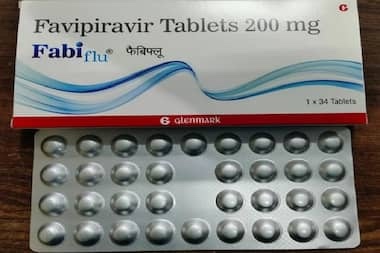
आख़िरकार भारतीय कंपनी Glenmark ने बना ली कोरोना की दवा, कीमत 103 रुपये प्रति टैबलेट है
ग्लेनमार्क फार्मास्युटिकल्स (Glenmark Pharmaceuticals) ने शनिवार को कोविड-19 से हल्के संक्रमण वाले मरीजों के लिए FabiFlu (Favipiravir ) को लॉन्च करने के बारे में जानकारी दी. कंपनी ने इस दवा का नाम FabiFlu रखा है. ग्लेनमार्क कंपनी ने इसकी कीमत और डोज़ के बारे में भी जानकारी दी है.

ग्लेनमार्क ने इस दवा का नाम FabiFlu रखा है, जिसका इस्तेमाल कोविड-19 से मामूली संक्रमण वाले लोगों के लिए किया जा सकता है. कंपनी ने इस दवा की कीमत 103 रुपये प्रति टैबलेट रखी है. ग्लेनमार्क ने बताया कि 200 mg के 34 टैबलेट वाले एक स्ट्रिप की कीमत 3,500 रुपये होगी.

इस दवा का इस्तेमाल पहले दिन डॉक्टर्स की सलाह पर 1,800 mg दो बार किया जा सकता है. इसके बाद अगले 14 दिन तक 800 mg का डोज़ (FabiFlu Dose) दिन में दो बार दिया जाएगा. कंपनी ने बताया कि इस दवा को हॉस्पिटल्स और रिटेल चैनल के जरिए जल्द ही उपलब्ध कराया जाएगा.

दवा के इस्तेमाल से पहले मरीज की सहमति लेनी होगी तत्पश्चात इस्तेमाल किया जा सकेगा .

इस दवा की मंजूरी के साथ एक शर्त यह भी है , कि इलाज से पहले मरीज को अपनी तरफ से सहमति हस्ताक्षर करना होगा. FabiFlu (Favipiravir) का इस्तेमाल उन मरीजों के लिए भी किया जा सकता है, जिन्हें कोरोना संक्रमण है और वो डायबिटीज़ या हॉर्ट डिजीज़ के मरीज हैं.

Favipiravir
PPF (public provident fund) ACCOUNT & Scheme

PPF public provident fund (PPF) भारत की केंद्र सरकार द्वारा स्थापित एक बचत योजना है।

Tax Benifit –

यह आकर्षक रिटर्न के साथ एक सुरक्षित, कर कटौती योग्य निवेश है जो पूरी तरह से आयकर से मुक्त है। 

इसमे एक वित्तीय वर्ष में आपको कम से कम 500 रुपये जमा करना अनिवार्य है, और ज्यादा से ज्यादा आप इस खाते में 150000 लाख तक जमा करा सकते हैं।

एक वित्तीय वर्ष में आयकर अधिनियम की धारा 80 सी के तहत कर छूट का लाभ होता है। ब्याज अर्जित और निकासी, पूरी तरह से कर मुक्त हैं|

Features –

  • सुरक्षित निवेश
  • गारंटी गारंटीड रिटर्न
  • केंद्र सरकार द्वारा समर्थित
  • कर योग्य लाभ
  • दीर्घकालिक बचत योजना –

Eligibility

एक व्यक्ति जो भारत का निवासी हो, वह ही अपने लिए एक PPF खाता खोल सकता है ।

अभिभावक -जो अपने छोटे नाबालिक बच्चे के नाम से खाता खोल सकते हैं। नाबालिग बच्चा स्वयं खाते का संचालन तब करेगा जब वह प्रमुख (बालिक Adult) याने की जब वह 18 वर्ष का हो जाएगा ।

एक व्यक्ति के पास केवल एक PPF खाता हो सकता है।

PPF खाता बैंक या पोस्ट ऑफिस दोनो में से किसी एक में ही खोला जा सकता है।

IMPORTANT Points-

  • PPF खाते में सही समय (हर महीने की 1 से 5 तारिक) पर पैसा डिपाजिट करने पर ही आपको उस महीने का ब्याज मिलेगा।
  • PPF खाते में- एक खाते में प्रति माह अधिक से अधिक 12500 रुपये ही निवेश कर सकते है, और साल भर में 150000 ही निवेश कर सकते हैं। चाहे आप एक ही क़िस्त में 150000 निवेश करें।
  • PPF खाते में- प्रति वर्ष कम से कम 500 रुपये निवेश करना अनिवार्य है।